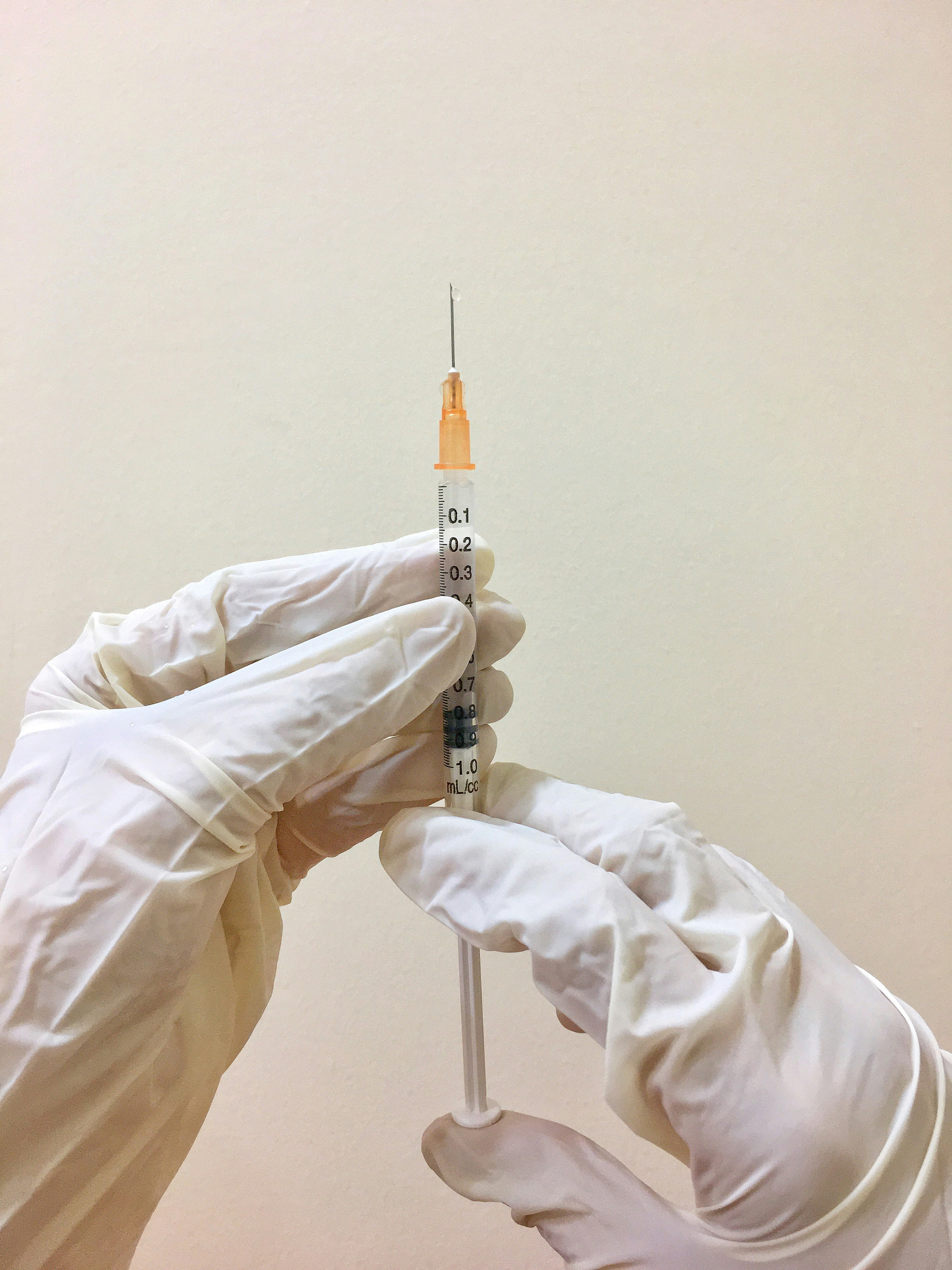
Hepatitis B Vaccination Service
20 mins
£60
About hepatitis B
Hepatitis B is a liver infection caused by the hepatitis B virus (HBV). Many new infections with hepatitis B may have a flu-like illness. The infection usually lasts only a few months, but some people can have hepatitis B long-term.
In the majority of cases of hepatitis B, symptoms do not occur. Symptoms more commonly occur in adults than children and may include: jaundice (yellowing of the skin and eyes), loss of appetite, fever and abdominal pain. Persistent hepatitis B infection develops in 80 to 90% of those infected in the first year of life and only 5% of those infected in their adult years. Persistent infection may lead to liver failure or liver cancer.
How can you get hepatitis B?
The risk for travellers is low, although certain behaviours or activities put individuals at higher risk, particularly in areas where hepatitis B is more common. These behaviours and activities include:
Unprotected sex
Exposure to blood or blood products through occupation, such as healthcare workers or having a blood transfusion in a country that does not check blood for hepatitis B. Blood transfusions in the UK are checked for hepatitis B
Exposure to contaminated needles through injecting drug use, having a tattoo or piercing with unsterilised equipment or as a result of accessing medical or dental care
Participation in contact sports
Adoption of children from risk countries
Long stay travel
Hepatitis B for occupational health
Employees who work with blood or bodily fluids are at the greatest risk of contracting Hepatitis B. These may include, but are not limited to, health care employees, care home workers, prison or police personnel, medical waste disposal personnel, sewage workers, firefighters, and cleaners in medical environments.
If you work in a high-risk occupation, you should think about getting vaccinated against Hepatitis B for yourself or your employees.